
5 Ways to Avoid Classic Car Buying Scams
Last Updated March 21, 2025 | Nate MoonisBuying a car in today's market is challenging. Whether you're searching for a new car with fluctuating inventories and high interest rates or a classic Mustang in a market where prices are all over the place, the process can be confusing. While there are some good deals emerging as the market slows, many of these so-called “deals” turn out to be scams.
In this article, we'll go over key red flags to watch out for when buying a classic Mustang to help you avoid falling victim to fraud.

The Price is Too Good to Be True
One of the biggest giveaways of a scam is a price that seems unrealistically low. While some sellers may not be fully aware of market values, most knowledgeable buyers can spot an obvious scam.
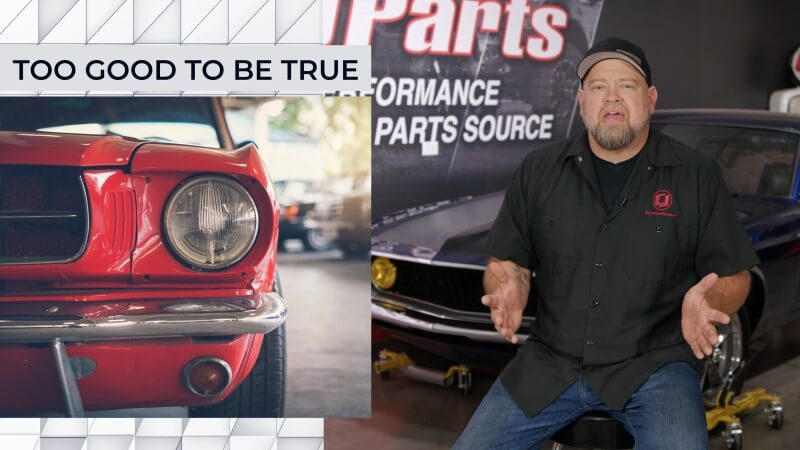
For example, if you see a 2021 GT500 Carbon Fiber Track Pack listed for $10,000, that's an obvious scam. But some scammers are more subtle, listing cars at prices that seem like a “deal” rather than a steal—such as a 1993 Cobra for $115,000 when the going rate is significantly higher. These prices are designed to lure buyers into messaging the scammer, after which they begin their deceptive tactics.
Minimal Information in the Listing
A lack of details in a listing on Facebook Marketplace or Craigslist is another common warning sign. If a listing has no location, no mileage, a few low-quality photos, or a vague description, then it's likely a scam.
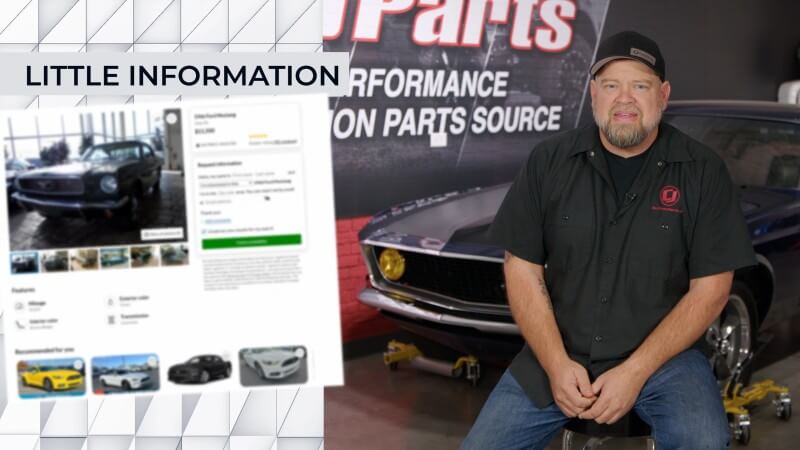
Scammers typically steal photos from other listings and don't have actual information about the vehicle. Try asking specific questions, such as about paint color or engine details—if the seller struggles to answer accurately, that's a major red flag.
Seller Avoids In-Person Meetings
After initial conversations, a legitimate seller should be open to a buyer seeing the car in person. If a seller repeatedly comes up with excuses—such as being out of town or saying the car isn't available for viewing—be wary.
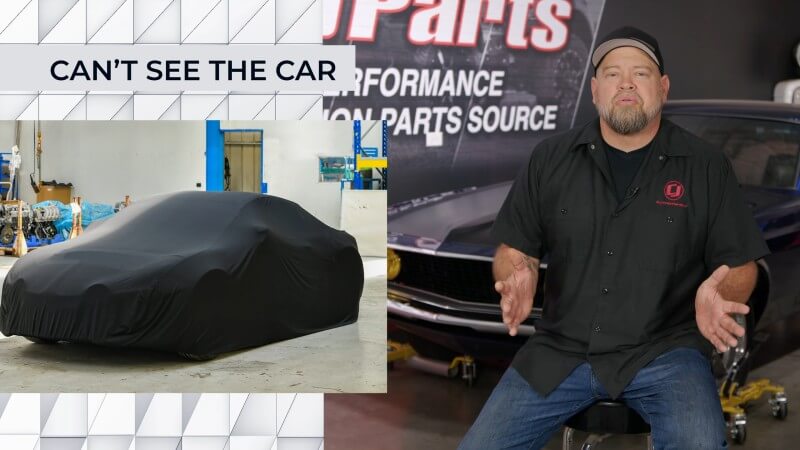
Always insist on seeing the car or having a trusted person inspect it before making any payments. A real seller should have no problem arranging an inspection.
Poor Grammar and Misspellings
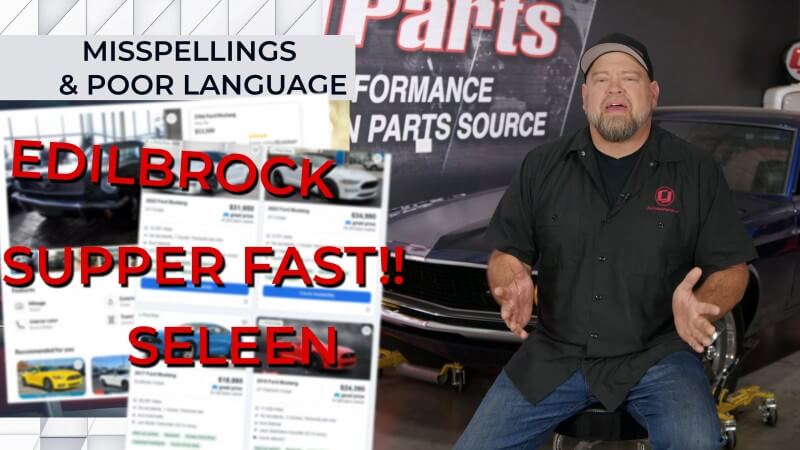
While simple spelling mistakes don't necessarily indicate a scam, poorly written ads and messages with awkward phrasing can be a clue that the seller is fraudulent. Phrases like “car good run” or other unnatural wording are often signs of scammers using translation tools or generic templates to communicate.
Request for Deposit Upfront
Asking for a deposit upfront—before verifying the car's legitimacy—is one of the biggest red flags. While deposits are normal in private car sales, they should only be made after verifying the vehicle's VIN, inspecting it, and confirming that the seller is legitimate.

If a seller pressures you to send a deposit quickly, especially via unsecured payment methods, walk away immediately. In most scams, you'll never see that money again.
A Real-Life Example of a Scam Attempt
Recently, we came across a Craigslist ad for a 1966 GT350 Hertz listed at $88,500—seemingly a great deal. The listing had multiple pictures and was well-written, making it seem legitimate.
We decided to investigate. Our marketing director messaged the seller and received a well-worded response about the car being in the family for years. Everything seemed fine until we asked for the Shelby serial number, VIN, and additional specific photos. The seller promised to provide them but then suddenly claimed he had received higher offers and would hold the car for us if we sent a 20% deposit that same day.

To test the legitimacy further, we told the seller we had a friend in the area who could check out the car in person. Suddenly, the seller became evasive, claiming to be out of town and unwilling to disclose the location of the car due to security concerns.

At this point, we knew it was a scam. A quick Google reverse image search of the listing's photos revealed that they were taken from an old Craigslist ad from 2015, where the same car had been sold for $68,000.
How to Protect Yourself from Classic Car Scams
If you're in the market for a classic Mustang, always do your due diligence before making any financial commitments. Here's how:
- Research market values to recognize unrealistic deals
- Ask detailed questions about the car’s specs, history, and VIN
- Insist on an in-person inspection or use a trusted third-party inspector
- Be cautious of poor grammar and vague descriptions in ads
- Never send deposits before verifying the car’s legitimacy
- Use reverse image search to check if the listing photos are stolen.
Scammers are prevalent on major platforms like Facebook Marketplace, Craigslist, and even specialized classic car sites. The best deals often come from networking within Mustang enthusiast groups, trusted online communities, and verified sellers.
If a deal seems too good to be true—it probably is. Stay vigilant, ask the right questions, and always verify before you buy.


