
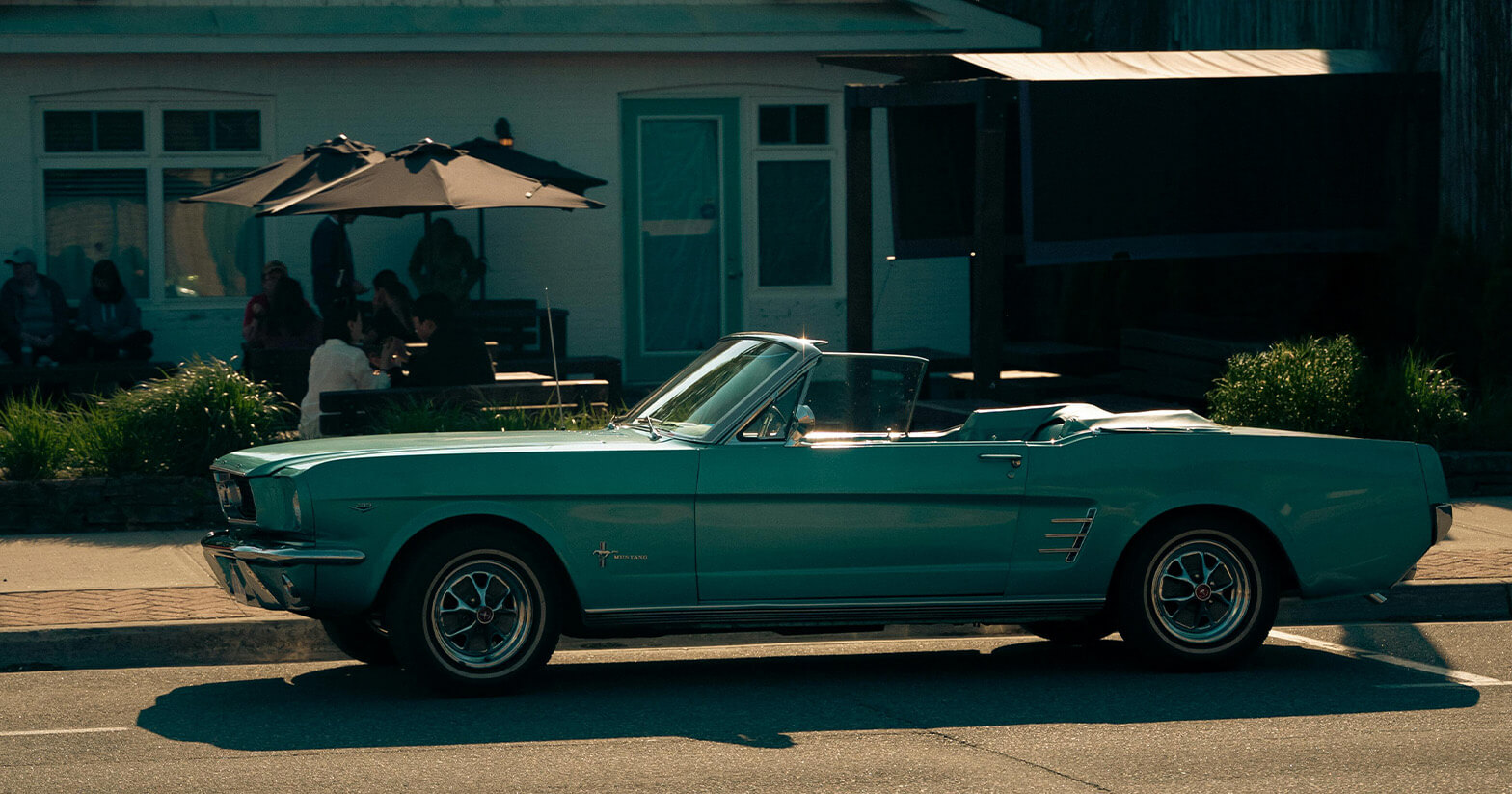
Mustang Restoration Chapter 1: Which Type Is Right for You?
Last Updated November 25, 2025 | Meghan DrummondPlanning your classic Mustang restoration is one of the most important steps. Unfortunately, it's one that many skip right past. This can create several problems later down the line, both in terms of follow-through and budget.
Start With a Vision
Few things are more important for a long-term project than envisioning what success looks like for your project. So, take a second. Think about you and your perfectly restored classic Mustang. Are you driving it along a highway? Popping the hood open at a local show? Being featured in a Mustang enthusiast magazine?
Keep that vision of success in your mind. It'll be what gets you through some of the more challenging aspects of restoration. Whenever you have to make difficult choices, go back and think about that vision.
Covered in this Chapter
- Mustang Restoration Levels - Learn about different types of restoration
- Choosing the Right Level for You - Compare restoration types
Mustang Restoration Levels
A key part of planning will be determining what level of restoration is right for you. This will affect everything from your budget to your project timeline.
Though all restoration tends to get lumped in together, there are four distinct levels that most classic Mustang restorations fall into: Concours, Show Car, Strip/Street Car, Restomod, and Driver.
Concours Correct
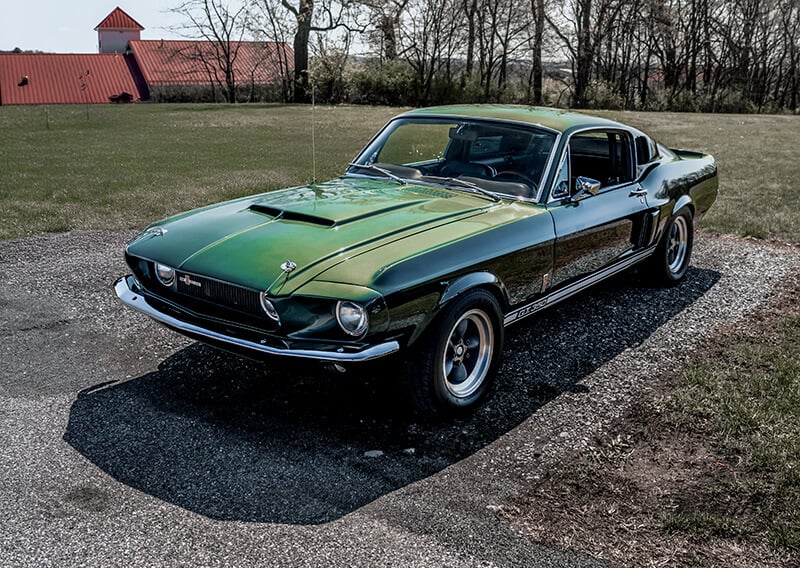
The term “concours restoration” is derived from a French term: Concours d'elegance. It means a competition of elegance, and it's how we still refer to the highest-level car shows today. The term's history in America goes back to 1950, when the very first concours was held at Pebble Beach.
Seventy years later, people still flock to Pebble Beach from around the globe for the yearly concours show. Participating vehicles include Alfa Romeos, GT40s, Bentleys, and even rarer vehicles. All the cars enthusiasts dream about seeing in person glisten in the Florida sun.
For a concours-caliber restoration, the goal is to create a vehicle that's “better-than-mint.” The emphasis is not merely on a full-restoration, but rather a full period-correct restoration. Each of these vehicles looks better than it did on the day it was manufactured.
Unfortunately, even being allowed to compete at Pebble Beach is no small feat. The contestants are all aggressively curated. There are concours d'elegance shows around the world, each with its own standards, rules, and entrants.
Mustangs are so popular there are even Mustang-exclusive concours shows. You can find a concours show at almost every level. Whether you crave the attention that comes from being “the best” or you just like to socialize with other vintage Mustang enthusiasts, there's a show out there for you.
Concours shows are held year-round all over the world. Many who participate enjoy the community almost as much as the cars. People eagerly look for their favorite vehicles from other shows, because as all car enthusiasts know, one look is never enough.
Life as a Concours Mustang Owner
Owning a concours vehicle is a little like managing a rockstar. You make sure your car's fans don't get too handsy, you travel the world, and you rack up awards and friends.
Though concours competitions vary in terms of vehicles permitted and judging strictness, the goal is basically the same. For a true concours restoration, the vehicle needs to essentially be in better than mint condition. The originality of the parts is as much a part of the scoring as the condition of those parts. Scoring can be out of 100 or 500 points, depending on the show. Points are lost for any areas of inaccuracy or less-than-perfect craftsmanship.
To win a concours event, you must establish a record that shows your car is restored to factory-specs. You may have to prove to the judges that your parts are made of the correct materials and that the finish is the same that came from the factory.
Because of the level of detail, concours restorations can be very expensive. They're best for people who are extremely detail-oriented, and who get great satisfaction from perfection.
To perform a concours restoration, you need to be a mechanic, a detective, an artist, and a researcher. Or, at the very least, you need access to all four.
With perfection being the goal, many concours restorations are rarely, if ever, driven. Something to consider if you choose to go this route.
Custom Show Car

If you love the idea of showing off your restored Mustang but are put off by the fixation on period-correct details, then a show car restoration might be for you. From a distance, it would be easy to mistake a show car for a concours one. Both are beautifully restored, picture perfect, and sure to drop jaws no matter where you go.
But while a concours vehicle uses mostly OEM-styled parts, and follows its original equipment list to a T, a show car has a little more leniency. Some of the parts used for a show car may be OEM-adjacent rather than perfect recreations. Some owners may even choose to pick a paint color different from the original. Others may opt for a pony interior even if their Mustang wasn't originally equipped with that.
Shelby-clones and Boss 429 look-alikes didn't come that way stock. But that doesn't mean the hard work and finished product aren't worthy of recognition.
The rules for local shows vary, but they tend to take a more relaxed stance than concours shows. As a result, a greater variety of cars have a chance of competing.
While concours events tend to be restricted to the rarest of the rare, many car shows go the opposite direction. Restored cars that would have been daily drivers in their day are common. There's something beautiful and special about seeing a layperson's car shined up and shown.
There might be minor imperfections in the paint of a show car, which makes sense because show cars get driven when the sun is out. Most concours vehicles live in garages, then are transported in trailers, and sometimes get driven for short bursts. Which is very different from show cars, which get shined up before a show but are often driven the rest of the time.
Life as a Show Car Owner

Show car owners still get the experience of travelling, showing off their Mustang, and meeting fellow enthusiasts. The competition can still be tough, and the caliber of restoration is still extraordinary.
Though many shows don't have concours standards, you won't find a lot of deviation from the original equipment. Sure, a finish might be different, and the seatbelts might be better quality than the original ones, but for the most part these cars look 'of the era.'
Show car restorations are great for people who love the original look of a classic Mustang, but who don't want to feel restricted to the original equipment list. It's also perfect for people who are interested in at least occasionally driving their Mustangs.
This is a solid middle ground for people interested in showing their car. It's more affordable than a concours restoration, and takes much less time while still returning jaw-dropping results.
Strip or Street Car

For you, classic Mustangs are good-looking. But the brand is also about power and performance. The original Mustang made a name for itself in SCCA racing. Of course, it got a little help from some performance shops on its way there. And that's what attracted you to Mustangs.
With a strip or street Mustang, you'll be changing out the original equipment for something with a little more oomph. Maybe you plan on doing a full engine swap, adding mods for drag racing, or turning your Mustang into a hot rod.
Making a Mustang better, faster, or just more interesting is part of the allure of restoration in general. It makes sense that not all Mustang rebuilds will end up returning to stock. After all, the power limitations on the first-gen Mustang weren't a matter of choice. Iacocca and his team were simply doing their best with what was available at the time.
Today, the wealth of new parts, components, and materials opens up infinite possibilities for performance builds.
Life as a Strip or Street Owner

These restorations still live to be shown, they just tend to be shown in motion. Whether you're looking at informal local races or something more organized, you'll want to be familiar with the rules. Many organizations have equipment regulations you'll want your build to adhere to.
Just because your restoration is focused more on performance than appearance doesn't mean you have to sacrifice either though. Looking good pre and post race has always been an area the Mustang excels in. And that means restoring, and enhancing, your Mustang's exterior.
Most of the basics of restoration will be identical. But while show car owners may fixate on replacing their small block Windsor with one that's the same displacement and color, you can pick an engine that makes your heart race and still fits in the bay.
If you're in love with the idea of showing off a unique Mustang while driving, then a street/strip restoration is probably the right choice for you.
Restomod

Restomod restorations are one of the fastest growing restoration styles. It's easy to see why. Restomod builds combine the attractiveness of a classic vehicle with modern convenience. According to a SEMA survey, 38% of owners 45 or younger are working on restomod builds.
Mustangs are a great choice for restomod builds. The looks are hard to improve on, but the other equipment of the era benefits from modern additions. Some of those improvements, like a new sound system or hardier seats, are more about comfort and convenience. Others, like a new suspension or better brakes, offer performance and safety benefits.
Most restorations will have restomod touches to them. But restomod builds approach the project differently. It's not simply about getting a classic Mustang driving, it's about improving on the original. Disc brake upgrades, leather interiors, and EFI systems are just some of the upgrades a restomod build might include.
For many, a restomod is a great way to turn a classic into a daily driver. Though the body is kept intact, the rest of the Mustang can be upgraded to modern standards. These comfort features can make a classic Mustang as pleasing to ride in as it is to drive.
Restomods can be more expensive than other restoration styles. The cost of modern parts, and the adaptations needed to make them work, add up quickly. Even more so if you’re not equipped to do most of the work yourself.
The Best of Both Worlds
For the mechanically inclined, this is a great restoration style. Upgrading a classic with modern features without compromising its appearance isn't easy or cheap. But when you're finished, you'll have a vehicle that's truly the best of both worlds.
If you love modern comfort, convenience, and performance but also love classic looks, then this is the perfect restoration style for you. It's also great for those who don't have either the space or willingness to have multiple cars. A great restomod build can serve as a Cars and Coffee staple as well as a daily commuter.
Restomods' growing popularity illustrates their appeal. This restoration style may be challenging, but the results are exciting enough to make it worthwhile for many.
Weekend/Daily Driver
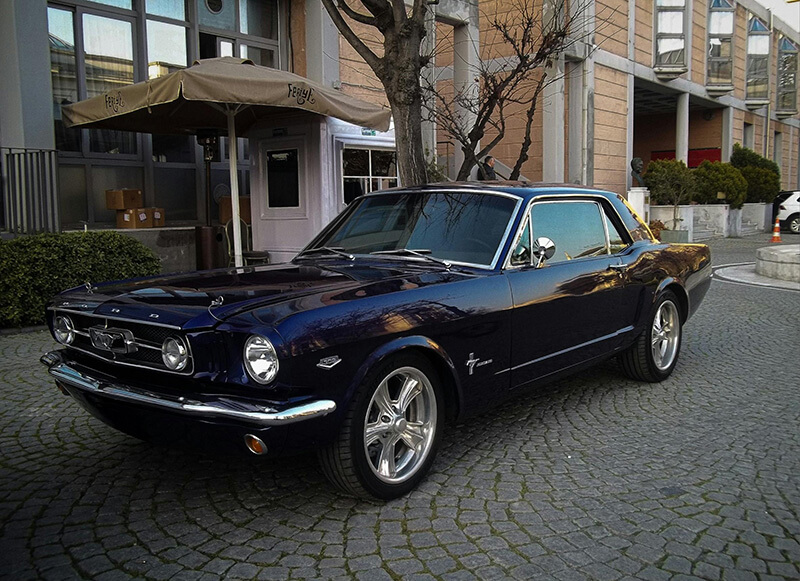
A driver restoration is exactly what it sounds like: A classic Mustang that's comfortable to drive in. The focus during the restoration process is returning a vehicle to functioning condition while repairing cosmetic issues.
Driver restorations are still gorgeous, and vintage pony cars are always welcome at local Mustang shows. But with a driver restoration, showing (and showing off) come second to having a comfortable, functional car.
Much like a Stip/Street restoration, you're as free as you want to be during a driver restoration. If you want to try applying the paint yourself even though you may not be able to get it exactly right, that's great.
The primary goal of a driver level restoration is bringing a classic Mustang up to a standard where it can be safely driven. Some people even choose to daily drive their classic Mustang once it's been restored. If that sounds too easy, then you may not be familiar with what it'll take to restore a classic Mustang.
The best part about a driver restoration is it's less of a commitment. If you want to start by getting your Mustang up and running and then later decide to upgrade it to a show car, there's nothing stopping you. Plus, you'll have a lot more mechanical experience under your belt than you might have now.
The Right Choice for Most
Most restorations are aiming for driver restoration quality. This type of restoration can be a great bonding experience between family members. You can safely work together knowing that minor accidents and imperfections are all part of what makes your car yours.
Driver restorations are also great for first timers or the budget-conscious, since they're by far the least expensive.
If you like the idea of using period-correct parts, you absolutely can. However, there's nothing to stop you from using whatever parts you want as long as they're safe and high quality.
If you mostly care about restoring a Mustang you can comfortably and confidently drive, or you've always wanted to get under the hood and learn how cars work, a driver restoration is the way to go.
Which Restoration Level Is Right for You?
By now, you probably have an idea of what type of restoration is right for you. However, there's no harm in sleeping on it for a while. Changing course mid-restoration is always an option, but it adds significant cost and labor to a hobby that's already costly and laborious.
Here's a quick recap of each restoration type to help you make up your mind:
Concours Restoration
Offers the opportunity to show a vehicle and connect with other enthusiasts from around the world.
- Most time consuming
- Most expensive
- Ideal for preserving a piece of automotive history
Custom Show Car Restoration
Offers the enjoyment of showing without the restrictiveness of concours restoration.
- Time consuming
- Expensive
- Allows more flexibility when replacing manufacturer parts
Strip/Street Restoration
Perfect if you want to make a hotrod or have a vision of a car that can only be created by abandoning a stock restoration.
- Cost and time vary considerably
- Focus on performance rather than appearance
- Parts may need to adhere to official guidelines
Restomod
Perfect if you want to make a hotrod or have a vision of a car that can only be created by abandoning a stock restoration.
- Can be costly
- Combines modern and classic features
- Mechanically challenging
Weekend/Daily Driver Restoration
Focus on getting your classic Mustang back out on the road and making it safe to drive.
- Least expensive
- Least time consuming
- Total freedom in selecting parts and design elements
There's no “right” type of restoration to choose, just like there's no wrong one. But starting your project with a clear idea of where you're headed will help you pick the right components, starting with your project car.
Check out our full Classic Mustang restoration guide to learn everything you need to tackle your next project.


