

Classic Mustang Restoration Guide
"All the resources you need for your restoration project, from start to finish."
Last Updated September 29, 2025 | Meghan DrummondIt's not an overstatement to say that the Mustang's debut in April 1964 changed the car scene in America. Since then, the Mustang has been in continuous production for more than five decades. Though the modern generations have horsepower and torque that would have blown Carroll Shelby's socks off in the '60s, there's something about the first-generation Mustang that's stood the test of time.

The father of the Mustang, Lee Iacocca, wasn't trying to start a revolution. What he and the Fairlane committee tried to do was create a car that was light and inexpensive with a short wheelbase for sporty handling. It needed to be under 2,500 pounds and under $2,500, with enough options that everyone could see themselves in it.
The 1965 Mustang hardtop would have an MSRP of $2,427, and at its lightest configuration, weighed 2,562 pounds. When it was first shown at the World's Fair in New York, the response was overwhelmingly positive. The 1964.5 and 1965 models together sold roughly 686,000 units. Its immediate success has helped contribute to the Mustang's lasting legacy. There were so many first-generation Mustangs that it's not hard to find survivors today.
That's only one of the reasons first-gen Mustangs are so popular for restoration. The Mustang managed to look unique, bypassing any sort of generic styling. The simple body lines have stood the test of time, and the performance is still jaw dropping. The Mustang is an excellent blank canvas for many enthusiasts to build their dream car.
Restoring a classic Mustang is an item on bucket lists of both individuals and family members who plan to restore America's favorite pony car together. Though restoring any classic car requires time and hard work, that's part of the appeal.
There's a sense of pride that comes from working hard to make something better than it was before. Driving a car whose every nut and bolt you've touched generates a sense of accomplishment and satisfaction that is immeasurable.
Though every restoration project is a little bit different, there are a few steps they share. That’s where this guide can help. We can tell you what your Mustang came stock with, what options were available at the time, how to change out different components on the car, and how to perform minor sheet metal repair.
Projects like completely rebuilding an engine, correcting a bent frame, or creating a classic Mustang that’s entirely electric require other source materials. Where possible, we’ve tried to add some guidance, tips, and links to the sources we’ve found helpful. In general, you should expect there to be extensive research for your restoration project. Though we’ve done our best to make sure that all the information here is accurate, well-sourced, and not misleading, no one source is perfect.
We hope this guide helps you start your restoration project on the right foot, and that you’ll be more excited with each page.
Our Detailed Classic Mustang Restoration Guide
Find everything you need to restore you Mustang in this comprehensive guide, broken down into informative chapters below. Just click on the chapter you need and get everything you need to know, all in one place.
Classic Mustang Restoration Guide Chapters





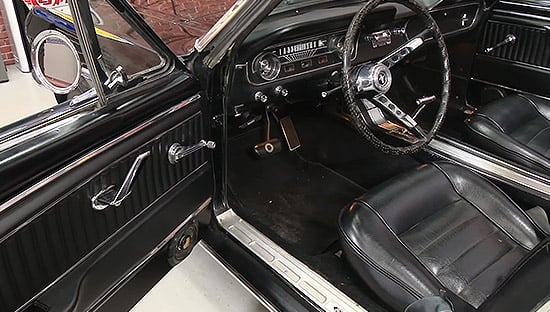
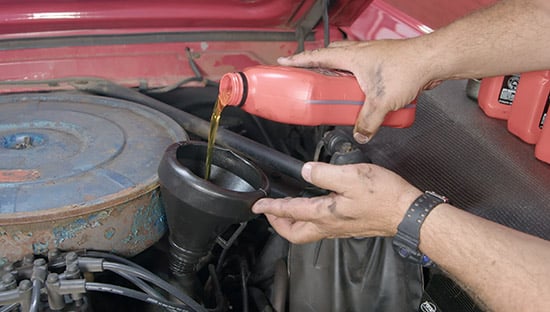
Get Your Classic Mustang and Learn About Its Equipment
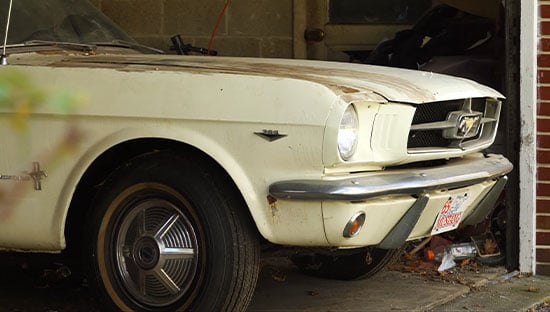
Before starting your restoration, you’ll need to find the perfect classic Mustang to restore. From there, you may want to learn about its original equipment. You can use our data plate decoder and equipment code guides to get a better idea of what your Mustang’s stock options were. If you want to know even more about your Mustang’s original equipment, you may want to look into a Marti Report.
Classic Mustang Equipment Restoration Guides


Classic Mustang Exterior Restoration
Most classic Mustangs come with the kind of cosmetic wear and tear you’d expect after half a century. From missing emblems to tiny dents and dings, here are guides for fixing common exterior problems.
First-Gen Mustang Exterior Restoration Guides


Classic Mustang Mechanical Restoration
Some of the most common problems with classic Mustangs are related to wiring and heating and cooling systems. These guides will help you fix old, damaged wiring and radiator issues.
Classic Mustang Mechanical Repairs


Classic Mustang Interior Restoration
Interior repairs are easy wins. These upgrades require patience and persistence but can be done by beginning and experienced DIY-ers alike. Plus, you’ll see the benefits immediately.
Classic Mustang Interior Mods


Classic Mustang Brake and Tire Upgrades
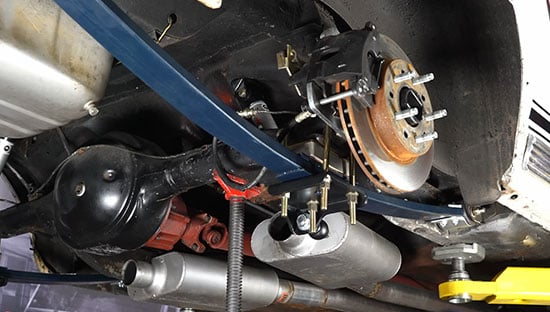
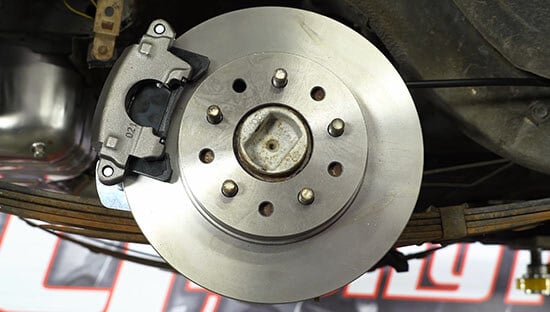
You’re not going very far without brakes and tires that can support your build. Here’s what to know about swapping up to disc brakes and keeping your tires rotated.
Fix Your Classic’s Brakes and Tires


Classic Mustang Equipment Upgrades
A lot of classic Mustang equipment, from radiators to light bulbs, has a wide range of options. Here’s what to know about each and how to select the right gear for your build.
Equipping Your Classic Mustang


Classic Mustang Maintenance
Once you’ve done the hard work of restoring a classic Mustang, you want to keep it running well and looking sharp. Here are some of the maintenance procedures you should get familiar with and mark on your calendar.
First-Gen Mustang Maintenance Guides


Classic Mustang Restomod
For some, restoration is only a small part of what they have envisioned for their classic. Here are some of the most popular (and ambitious) Mustang restomod guides for the truly daring.
First-Gen Mustang Restomod Guides


Get Inspired by Some of Our Projects
Not quite sure where to get started? Here are some of the classic Mustangs the CJ’s crew has worked on over the years. We’ve included build sheets and videos so you can replicate what we did or give it your own spin.
- 50/30
- Forgotten Fastback
- 1965 Coupe Bolt-Ons
- Project Betty
Connect With Us
We’re always working on classic Mustangs, and our community loves sharing their builds. Subscribe to our YouTube channel to see the latest how-tos, or follow us on Instagram and Facebook to see more builds and advice from the Mustang community.


